
Start with the Right San Francisco Record
The best San Francisco residents directory search begins with the strongest fact already in hand. An address belongs first in the Planning Department’s Property Information Map, or PIM, because it returns the canonical situs, block and lot, parcel history, permits, complaints, zoning, and neighborhood layers. A person’s name may fit a court index, a deed, a fictitious-business-name filing, or a professional license instead. An old address sends the search toward city directories, voter registers, census schedules, maps, and deeds. A family question may require a vital record or probate file rather than a current resident list.
These sources establish different things. A deed names parties to a transfer. An assessment record links an owner and mailing address to a parcel. A directory lists people who were included by that publisher. A court index identifies a party and case event. None should be treated as a complete household census. Use two stable identifiers, such as a middle initial and an address, before treating two entries as the same person.
- Resolve the street address in PIM and save the matched situs, block, lot, and APN.
- Choose the matching custodian: the Assessor-Recorder for title and instruments, Superior Court for a case, or a vital-record office for an event.
- Use an official name or address index, then read the result fields instead of relying on a single name match.
- Check a second source, such as a directory, obituary, permit, business filing, or probate record, for time and place.
- Use a counter, library, mail request, or focused CPRA request when the web index stops.
San Francisco’s City-and-County Records Desk
San Francisco is a consolidated city and county, so one local government handles both assessor and recorder functions. The Office of the Assessor-Recorder is at 1 Dr. Carlton B. Goodlett Place, City Hall Room 190, San Francisco, CA 94102. It provides assessment and recorded-document services, and its Public Index Search reaches recorded documents from 1990 forward. The office lists 628-652-8100 and assessor@sfgov.org, with weekday service from 8 a.m. to 5 p.m. except legal holidays. Earlier instruments move to terminals, microfilm, microfiche, and library collections.
The County Clerk is a separate desk in City Hall Room 160. It handles confidential marriages, fictitious business names, notary bonds and journals, domestic partnerships, and other clerk filings. Public marriage certificates are recorded by the Assessor-Recorder, while a confidential marriage is restricted to the parties or court authority. The Superior Court handles civil, family, probate, and small-claims case information. California Department of Public Health and San Francisco Department of Public Health divide vital-record work by event age and record type. Elections uses a self-authentication tool rather than publishing an unrestricted name roll.
Assessor-Recorder
City Hall Room 190
San Francisco, CA 94102
628-652-8100
Public Index Search
County Clerk
City Hall Room 160
San Francisco, CA 94102
FBN and confidential-marriage records
Department of Elections
City Hall Room 48
San Francisco, CA 94102
415-554-4375
Superior Court
Local civil, family, probate, and small-claims indexes
1987-present name coverage
Why PIM Comes Before an Owner Search
PIM is the most useful address gateway in the San Francisco residents directory, but it is not a public owner-name directory. Its report can show a situs address, block and lot, assessor summary, zoning, environmental and historic designations, planning applications, permits, complaints, appeals, parcel history, census tract, supervisor district, neighborhood groups, and ZIP layers. The map can be searched by address, parcel, planning application number, or a map click. A block and lot can be entered with or without a hyphen.
The report tabs include Search, Property, Zoning, Environmental, Historic Preservation, Planning Applications, Building and Other Permits, Complaints, Appeals, BBNs and NSRs, and Map. Map controls include EagleView, Measure Distance, and Map Legend. Select matched sites carefully, then print the map and report categories that matter. PIM supplies the bridge to assessment, deed, permit, and tax systems, while current ownership still requires the assessment roll, counter, or paid data product.
| PIM control | What to enter or choose |
|---|---|
| Search | Address, parcel, planning application number, or map click |
| Matched site | Select the official situs address before opening the report |
| Report tabs | Property, zoning, historic, applications, permits, complaints, appeals, and map |
| Printable Report | Check the map and report categories, then use Print or Close |
What the San Francisco Recorder Index Shows
The Assessor-Recorder Public Index is a name and instrument trail, not a list of everyone inside a building. Search controls include document type, filing code or group, primary and secondary party names, party role, document or event date, document numbers, APN, book type, book and page, and address fields. The index result can show an indexed person or entity, grantor or grantee role, document type, recording date, document number, APN or block and lot, page count, correction or reference indicators, and an image or copy cart link.
A full deed adds a return or tax-statement address, legal description, consideration or transfer-tax statement, signatures, notary information, and recording stamp. The office reports more than 7 million digitized records, with the verified online collection beginning in 1990. The current mail form asks for the requester’s name and address, recording date, document number or reel/image, certified-copy choice, number of copies, and fee calculation. Older material remains reachable at Room 190 and through SFPL microfilm. A title party is not every resident, and a mailing address is not proof of present residence.
- Grantor or grantee
- The grantor transfers an interest; the grantee receives it. The party role matters when following a chain.
- APN
- An assessor parcel number identifies the tax parcel and helps connect PIM, assessment, deeds, and permits.
- Index
- An index points to a record and its fields. It is not the same as the full recorded image.
- Legal description
- The deed’s formal description controls title even when a street name or situs label changes.
Current San Francisco Resident Directory Sources
Current records answer separate parts of the resident question. The table below keeps ownership, address context, affiliation, and case evidence in their proper lanes. A source can be useful without being a roster. The absence of a name from one index means only that the inspected search and coverage did not return a match.
| Source | What It Can Add | Custodian | Access |
|---|---|---|---|
| PIM and assessment roll | Situs, APN, owner and mailing-versus-situs clues | Planning and Assessor-Recorder | PIM free; roll counter or paid data |
| Recorder index | Deed parties, liens, dates, legal descriptions | Assessor-Recorder | Free metadata from 1990; older counter/microfilm |
| My Voter Status | One voter’s own status, address, party, and polling information | California Secretary of State | Authenticated self-lookup |
| Superior Court index | Party names, case type, filing date, register of actions | San Francisco Superior Court | 1987-present local name search |
| FBN, business, or license search | Public affiliation, entity, business address, or license status | County Clerk, SOS, DCA | Official portals, each with its own fields |
| SFPL and historical directories | Listed adults, occupations, spouses, addresses, past years | Library and archives | Onsite, digital, microform, or finding aid |
For a one-person question, the San Francisco resident lookup workflow adds court, vital, business, license, and probate checks. For a full street, PIM and the parcel chain carry more weight than a name-only search.
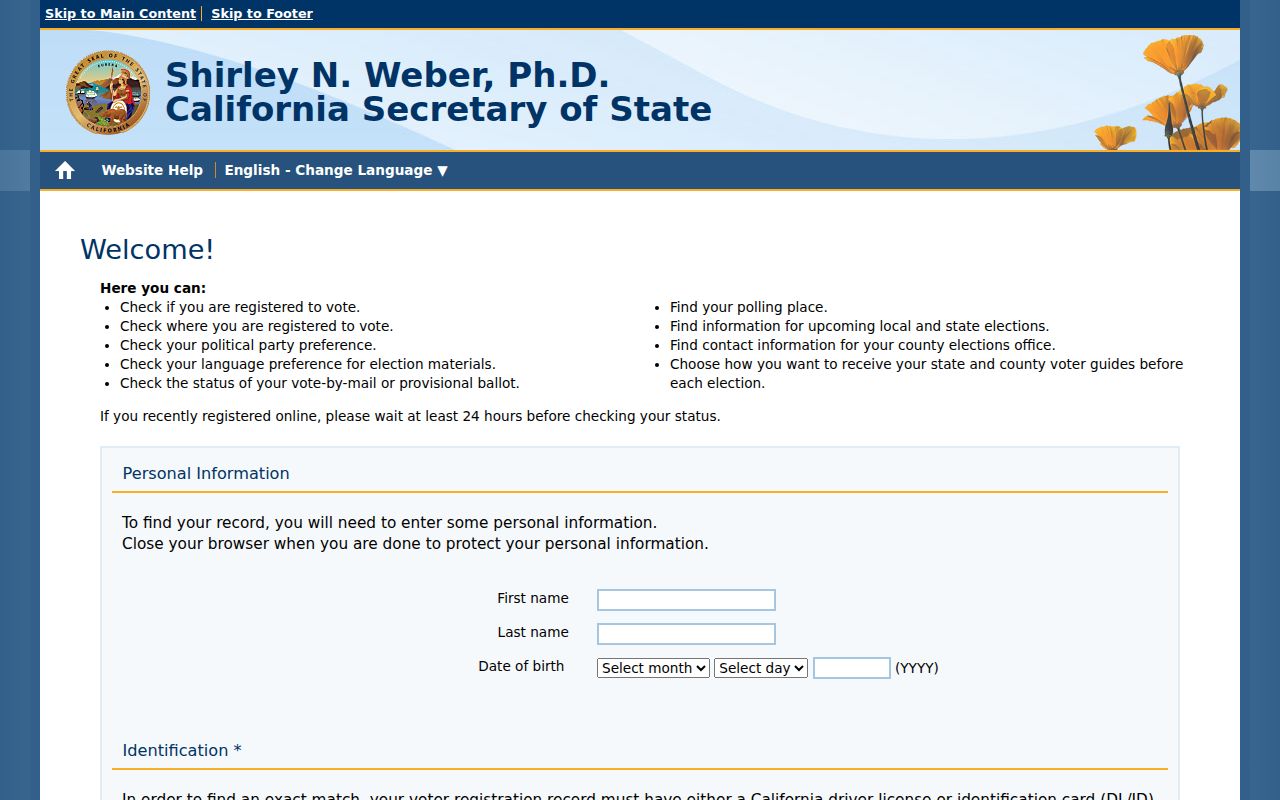
Voter Status Is Not a San Francisco Resident Roll
California My Voter Status asks for first name, last name, date of birth, and, when available, a California driver license or ID number and the last four digits of the Social Security number. It is an authenticated self-lookup. A match can return registration status and address, party and language preference, polling place, election information, and vote-by-mail or provisional-ballot status. It is not a casual way to browse an unidentified street.
California voter-file access is purpose-limited under Elections Code §§2188 and 2194 and Government Code §7924.000. A qualified file request requires the requester and beneficiary, scope, permitted purpose, documentation, signature under penalty of perjury, identification, and fee. A specific-voter request can cover up to ten named voters only when full identifying information and a qualified purpose are supplied. Safe at Home and confidential voters are excluded. Historical registrations at SFPL and Ancestry Library Edition, covering California 1900-1968 with especially useful San Francisco address searches from 1900-1940, are a separate genealogy source.
San Francisco Court Names Need a Cross-Check
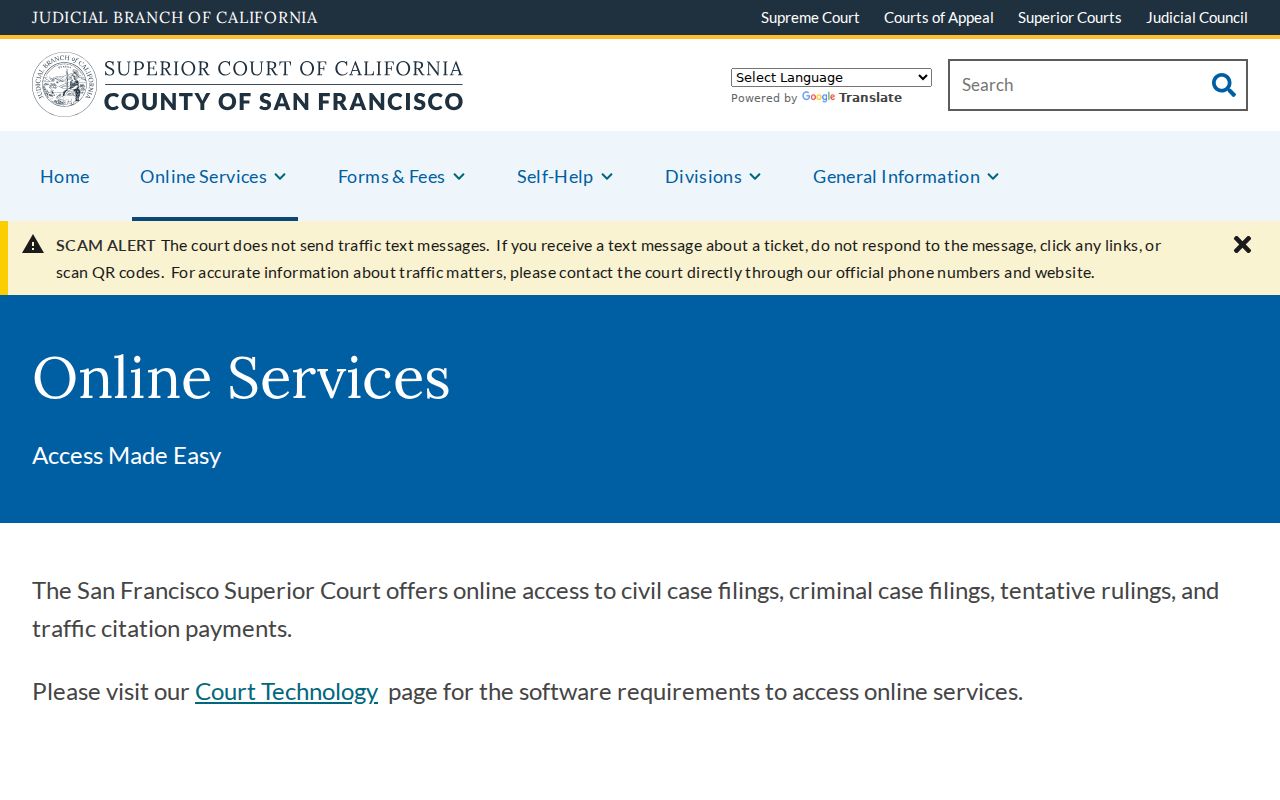
The San Francisco Superior Court local name query covers civil, family, probate, and small-claims cases filed from 1987 forward. The single text field accepts lastname, lastname comma firstname, or a company name. Results may show the case number and caption, party names, case type, filing date, status, register-of-actions event dates and descriptions, hearings, and eligible image links. Civil and small-claims image coverage is more open than family information. Family results may show the register only with a case number, and restricted, confidential, sealed, juvenile, adoption, and some family records do not appear online.
Record the case number before ordering anything. Review the register of actions first, then ask the clerk for a specific docket item by title and date when an image is absent. Certification of a paper record or proceeding is listed at $25, with retrieval and copies potentially added. Federal cases need PACER and a Northern District of California check. A court name match is not identity proof, so compare middle name, co-parties, dates, entity type, and APN or address clues.
The San Francisco Superior Court online-services page is the official starting point for local case access.
Vital Events Turn Names into Relationships
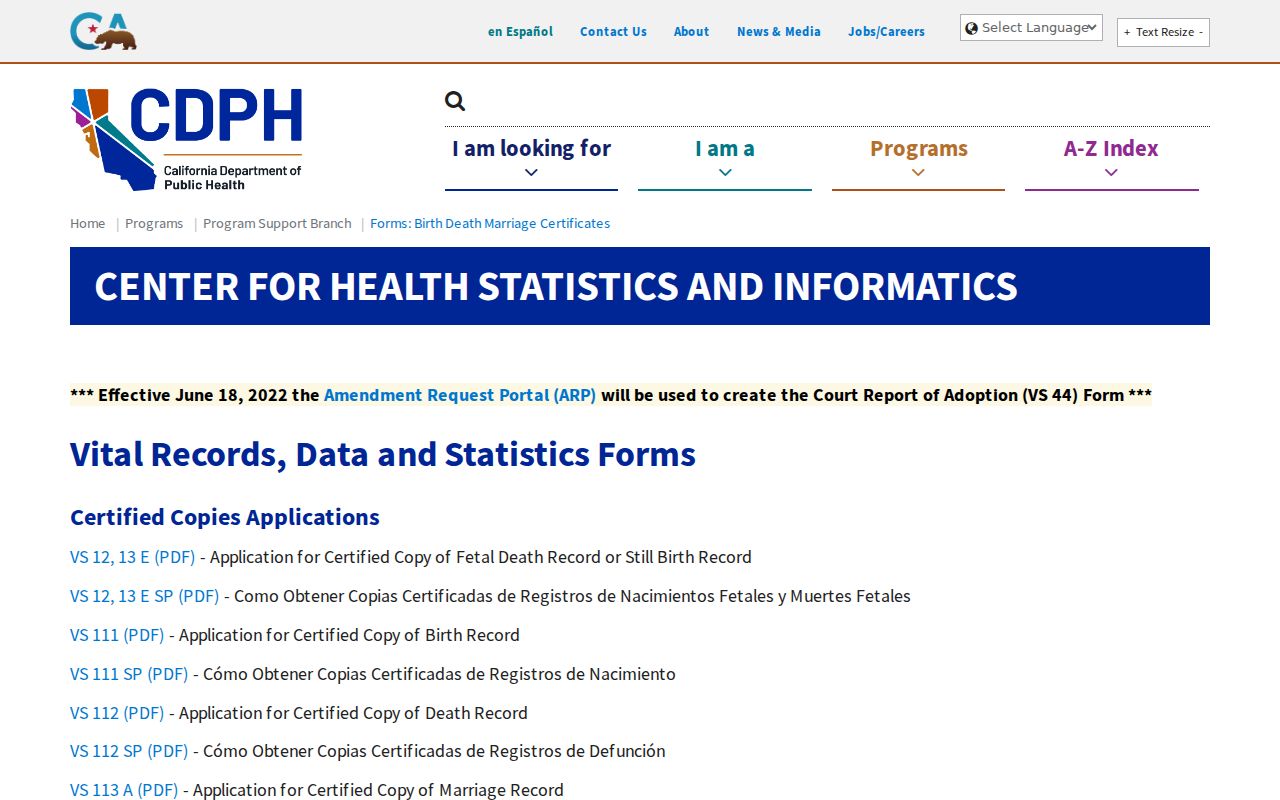
Birth, death, marriage, and divorce records are controlled by copy type and requester eligibility. San Francisco Department of Public Health handles current and prior-year births and deaths, while local recorder and clerk routes handle older local events and marriages. CDPH maintains statewide events from July 1905. The 2026 state fees in the research record are $31 for birth, $26 for death, $19 for public marriage, and $18 for a divorce Certificate of Record. Confidential marriage records remain with the County Clerk and are not a public index.
Health and Safety Code §103526 separates authorized certified copies from informational copies. An authorized application can require relationship proof and a sworn declaration under penalty of perjury; mailed authorized requests require notarization. An informational copy is marked not valid for identity. CDPH mails by First Class Mail, has no public counter or expedition, and quotes about 4-6 weeks for certified copies and 7-9 weeks for amendments. A search fee is retained when a Certificate of No Public Record issues. A divorce decree comes from Superior Court, not the statistical certificate from CDPH.
San Francisco Names in Business and License Files
Affiliation records can add a useful time and place clue without turning into a resident roster. California bizfile searches a business name or file number, with keyword and advanced filters for entity type, status, initial filing date, and begins-with matching. Detail can show entity number, formation date, status, jurisdiction, street and mailing addresses, agent for service, Statement of Information due date, and filings. FBN records from the County Clerk add a principal street address, registrant or entity names, filing status, start date, signature or title, and publication facts.
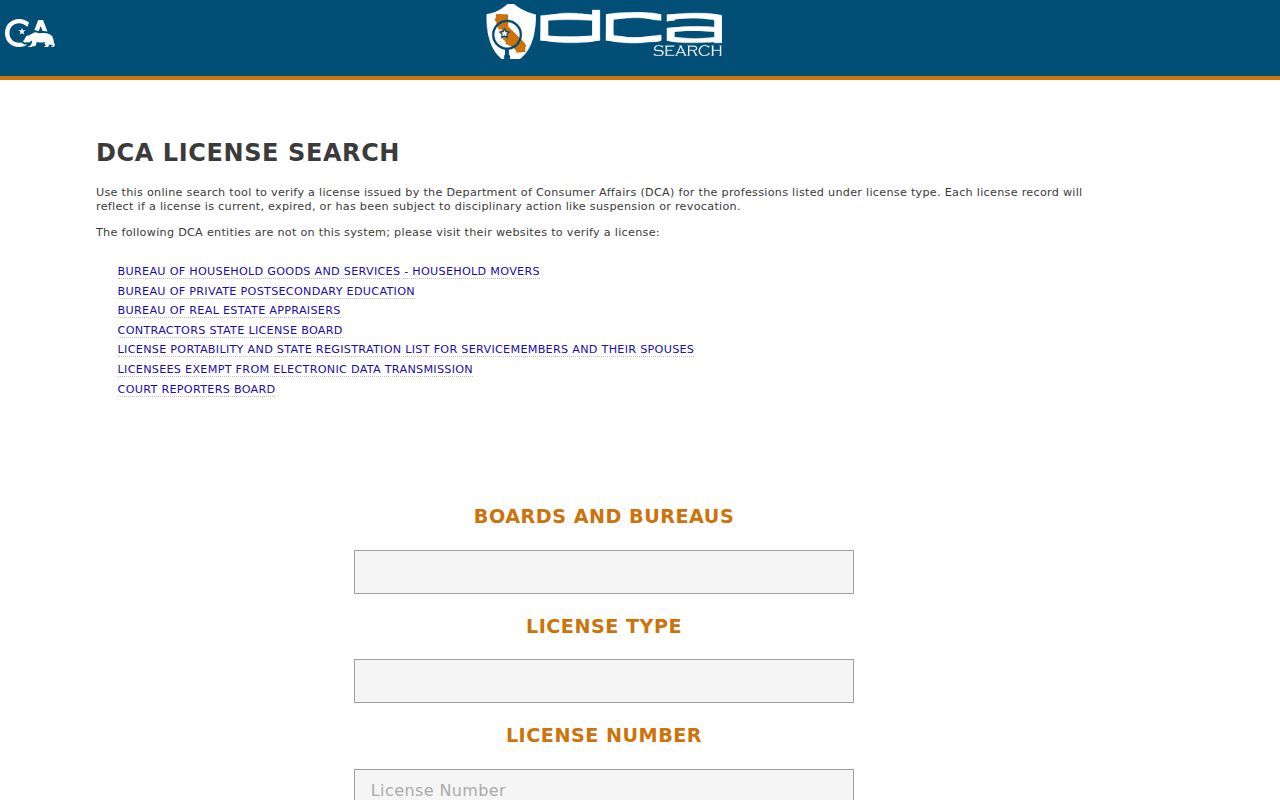
The California Department of Consumer Affairs License Search separates board or bureau, license type, license number, business name, first name, and last name. Advanced filters add registry number, city, county, primary or secondary status, discipline, and public documents. License, FBN, and business addresses show affiliation. They do not prove that the named person lives at that address. The free State Controller unclaimed-property search can use a last or business name or property ID, with city and ZIP as narrowing fields.
The California business search is the official place to inspect entity filings and filing PDFs.
San Francisco Historical Resident Directories
The San Francisco city-directory run reaches from 1850 to 1982 online, with 1850-1960 microform and 1875-1982 print holdings. The Magazines and Newspapers Center has telephone books, newspapers, reverse directories, and microform scanners. The San Francisco History Center on the sixth floor is also the City and County archives. Reverse directories start in 1953, while 1933 and 1936 street lists and the 1940 House and Street Directory help with earlier address-first work. The full collection history belongs in the San Francisco city directory archive.
An alphabetical entry may show surname, given name or initials, spouse, occupation, employer, residence marker, street and number, widow notation, and later telephone or homeowner notation. A directory usually lists principal adults or subscribers, not every household member. Search one year on either side, read the abbreviation key, and compare an entry with census, obituary, deed, or voter evidence.
San Francisco Custody Has Its Own Geography
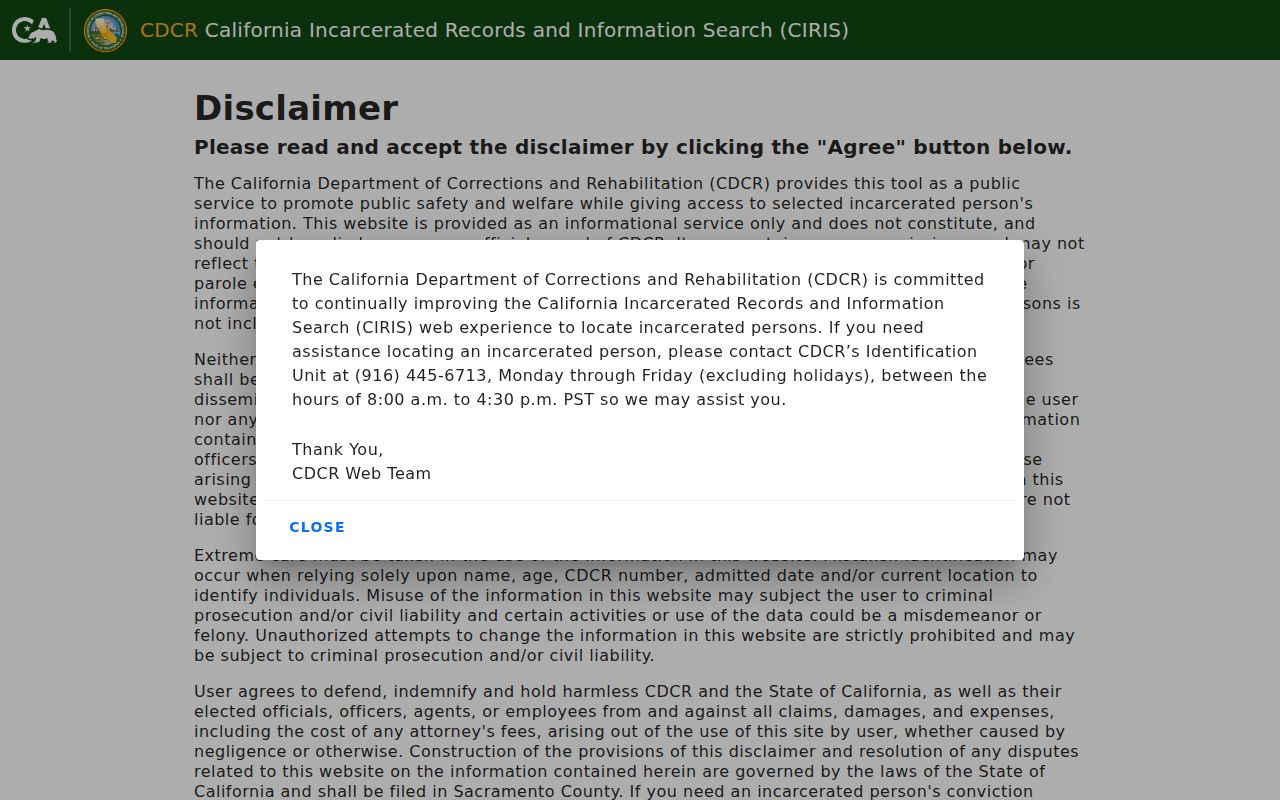
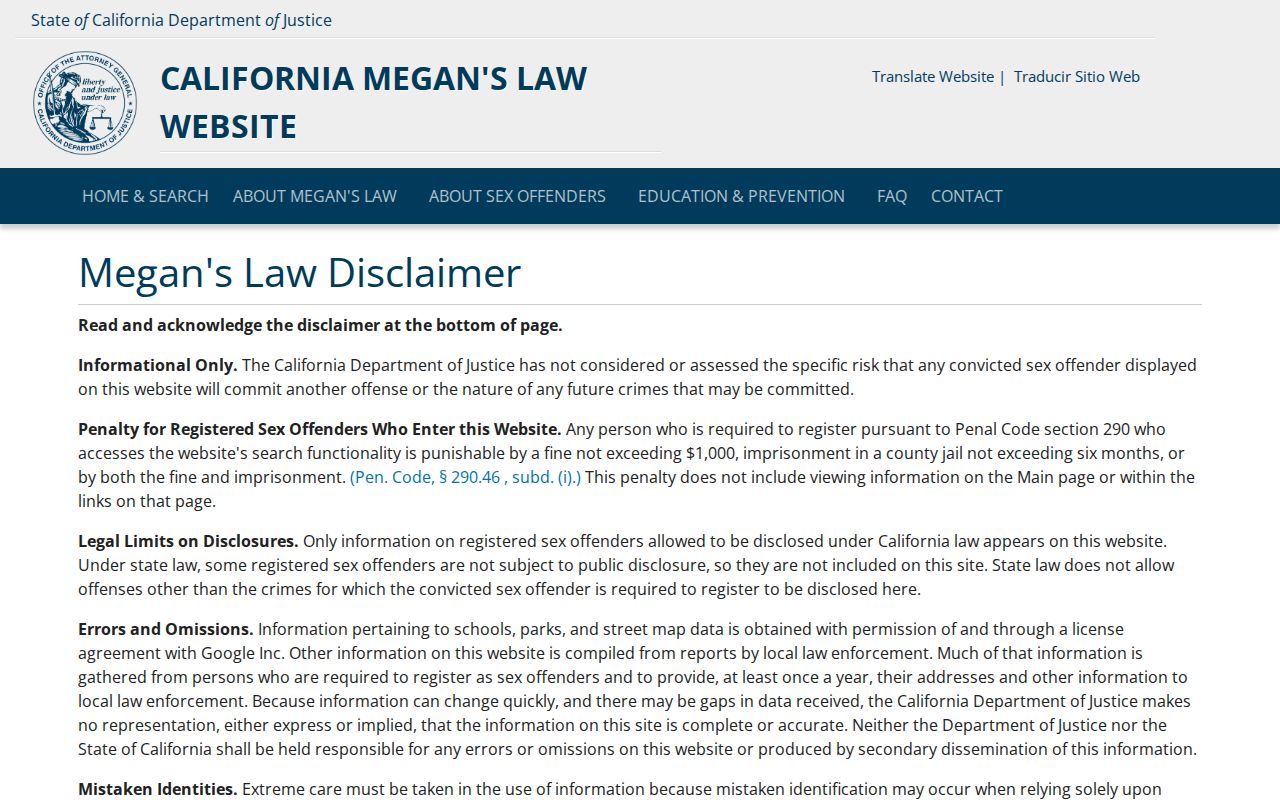
Law-enforcement indexes are separate from court and vital records. The San Francisco Sheriff’s jail locator concerns county custody. California CIRIS covers people under CDCR jurisdiction, and the California Megan’s Law site covers legally disclosable registrants under Penal Code §290.46. A jail result, a state custody result, a registry entry, a court disposition, and a conviction are different facts. Transfers, release, omission, mistaken identity, sealing, and redaction can all produce a negative result.
Use the publishing agency’s own warning and correction route. The Megan’s Law site warns about mistaken identity and misuse. SFPD report requests have their own Records Management form and privacy limits. A lawful personal search should stop at protected data and should never turn an official index into a tool for unwanted contact.
California’s CIRIS locator is the official state custody search for people under CDCR jurisdiction.
Official Rolls and Commercial Search Tools
Official sources are not always free or immediate, but they identify the custodian, coverage, and field meaning. Commercial people-finder services can merge public and purchased data, retain stale addresses, or combine names that belong to different people. They are a lead at most, not an authoritative San Francisco residents directory and not a substitute for the office that holds the source record.
| Question | Official source | Commercial category |
|---|---|---|
| Who is tied to a parcel? | PIM, assessment roll, and Recorder index | May merge old address data without the parcel key |
| Was a case filed? | San Francisco Superior Court or PACER | May omit sealed, family, or local coverage |
| What event is recorded? | SFDPH, Assessor-Recorder, County Clerk, or CDPH | Cannot issue a certified copy |
| What affiliation is current? | Bizfile, FBN, DCA, or Controller | May preserve a former address or status |
When the San Francisco Web Index Stops
California’s Public Records Act, Government Code §7920.000 et seq., allows any person to request inspection or copies of an existing record. Under §7922.535, an agency generally determines within 10 calendar days whether it has disclosable responsive records, with a written unusual-circumstances extension of no more than 14 additional days. Inspection is generally free, while ordinary charges are limited to direct duplication cost under §7922.530 unless another statute fixes a fee.
A focused request names the department, record series, date range, address, APN, case number, document number, or other key that identifies an existing record. Agencies do not have to create a resident profile or conduct research. Search prior requests at the citywide public-records portal, then use the relevant office, City Hall terminal, SFPL catalog, Online Archive of California, FamilySearch, or NARA San Bruno route. The result should record the custodian and coverage cutoff beside every negative search.
Lawful personal use. San Francisco records support genealogy, family reconnection, estate work, neighborhood history, and civic research. Do not use a name, address, voter record, or registry result to stalk, harass, intimidate, or harm another person.