
Start with the Right San Francisco Record
Start any San Francisco residents directory search with the strongest fact you already have. An address goes first to the Planning Department's Property Information Map, called PIM, because it returns the canonical situs, block and lot, parcel history, permits, complaints, zoning, and neighborhood layers. A person's name fits other records. It may land in a court index, a deed, a fictitious-business-name filing, or a professional license. An old address opens other doors. City directories, voter registers, census schedules, maps, and deeds all hold traces of past residents. A family question may call for a vital record or probate file instead of a current resident list.
Each source proves something different. A deed names the parties to a transfer. An assessment record ties an owner and mailing address to a parcel. A directory lists whoever that publisher included. A court index names a party and a case event. None of them is a household census. Before treating two entries as the same person, match two stable identifiers, such as a middle initial and an address.
- Resolve the street address in PIM and save the matched situs, block, lot, and APN.
- Choose the matching custodian: the Assessor-Recorder for title and instruments, Superior Court for a case, or a vital-record office for an event.
- Use an official name or address index, then read the result fields instead of relying on a single name match.
- Check a second source, such as a directory, obituary, permit, business filing, or probate record, for time and place.
- Use a counter, library, mail request, or focused CPRA request when the web index stops.
San Francisco’s City-and-County Records Desk
San Francisco is a consolidated city and county. One government runs both assessor and recorder work. The Office of the Assessor-Recorder sits at 1 Dr. Carlton B. Goodlett Place, City Hall Room 190, San Francisco, CA 94102, and provides both assessment services and recorded-document services. Its Public Index Search covers 1990 forward. The office lists 628-652-8100 and assessor@sfgov.org. Walk-in service runs weekdays from 8 a.m. to 5 p.m., except legal holidays. Earlier instruments wait on terminals, microfilm, microfiche, and library collections.
The County Clerk is a separate desk. It sits in City Hall Room 160 and handles confidential marriages, fictitious business names, notary bonds and journals, domestic partnerships, and other clerk filings. Public marriage certificates are recorded by the Assessor-Recorder instead. A confidential marriage stays closed to the parties or court authority. The Superior Court handles civil, family, probate, and small claims. Vital records divide between the state and city public health departments, split by event age and record type. Elections offers a self-authentication tool rather than an open name roll.
Assessor-Recorder
City Hall Room 190
San Francisco, CA 94102
628-652-8100
Public Index Search
County Clerk
City Hall Room 160
San Francisco, CA 94102
FBN and confidential-marriage records
Department of Elections
City Hall Room 48
San Francisco, CA 94102
415-554-4375
Superior Court
Local civil, family, probate, and small-claims indexes
1987-present name coverage
Why PIM Comes Before an Owner Search
PIM ranks as the most useful address gateway for a San Francisco residents directory search. It is not a public owner-name directory, though. One report can show the situs address, block and lot, assessor summary, zoning, environmental and historic designations, planning applications, permits, complaints, appeals, parcel history, census tract, supervisor district, neighborhood groups, and ZIP layers. Search works by address, parcel, planning application number, or a map click. The block and lot accepts a hyphen or none.
Report tabs include Search, Property, Zoning, Environmental, Historic Preservation, Planning Applications, Building and Other Permits, Complaints, Appeals, BBNs and NSRs, and Map. Map controls offer EagleView, Measure Distance, and Map Legend. Choose matched sites with care. Then print the map and report categories that matter. PIM builds the bridge to assessment, deed, permit, and tax systems. Current ownership still requires the assessment roll, the counter, or a paid data product. That last step trips up many lookups.
| PIM control | What to enter or choose |
|---|---|
| Search | Address, parcel, planning application number, or map click |
| Matched site | Select the official situs address before opening the report |
| Report tabs | Property, zoning, historic, applications, permits, complaints, appeals, and map |
| Printable Report | Check the map and report categories, then use Print or Close |
What the San Francisco Recorder Index Shows
The Assessor-Recorder Public Index traces names and instruments. It is not a building roster. Search filters cover document type, filing code or group, primary and secondary party names, party role, document or event date, document numbers, APN, book type, book and page, and address fields. Start with a party name. Results can show the indexed person or entity, grantor or grantee role, document type, recording date, document number, and APN or block and lot. Correction indicators, page count, and an image or copy-cart link round out the entry.
A full deed adds more. It carries a return or tax-statement address, legal description, consideration or transfer-tax statement, signatures, notary information, and a recording stamp. The office reports more than 7 million digitized records. The verified online collection begins in 1990. The current mail form asks for the requester's name and address, recording date, document number or reel/image, certified-copy choice, number of copies, and fee calculation. Older material stays reachable. Room 190 and SFPL microfilm hold it. A title party is not every resident, and a mailing address is not proof of present residence.
- Grantor or grantee
- The grantor transfers an interest; the grantee receives it. The party role matters when following a chain.
- APN
- An assessor parcel number identifies the tax parcel and helps connect PIM, assessment, deeds, and permits.
- Index
- An index points to a record and its fields. It is not the same as the full recorded image.
- Legal description
- The deed’s formal description controls title even when a street name or situs label changes.
Current San Francisco Resident Directory Sources
Current records answer separate questions. The table keeps ownership, address context, affiliation, and case evidence in their proper lanes. A source can be useful without being a roster. A missing name means only that the search and its coverage did not return a match.
| Source | What It Can Add | Custodian | Access |
|---|---|---|---|
| PIM and assessment roll | Situs, APN, owner and mailing-versus-situs clues | Planning and Assessor-Recorder | PIM free; roll counter or paid data |
| Recorder index | Deed parties, liens, dates, legal descriptions | Assessor-Recorder | Free metadata from 1990; older counter/microfilm |
| My Voter Status | One voter’s own status, address, party, and polling information | California Secretary of State | Authenticated self-lookup |
| Superior Court index | Party names, case type, filing date, register of actions | San Francisco Superior Court | 1987-present local name search |
| FBN, business, or license search | Public affiliation, entity, business address, or license status | County Clerk, SOS, DCA | Official portals, each with its own fields |
| SFPL and historical directories | Listed adults, occupations, spouses, addresses, past years | Library and archives | Onsite, digital, microform, or finding aid |
Need to trace one person in the San Francisco residents directory? Start with the San Francisco resident lookup workflow. It layers court, vital, business, license, and probate checks onto the directory base. A whole street works differently. For a full block, parcel records and PIM carry more weight. They beat any name-only resident lookup. Match names to parcels, then read the property rolls outward.
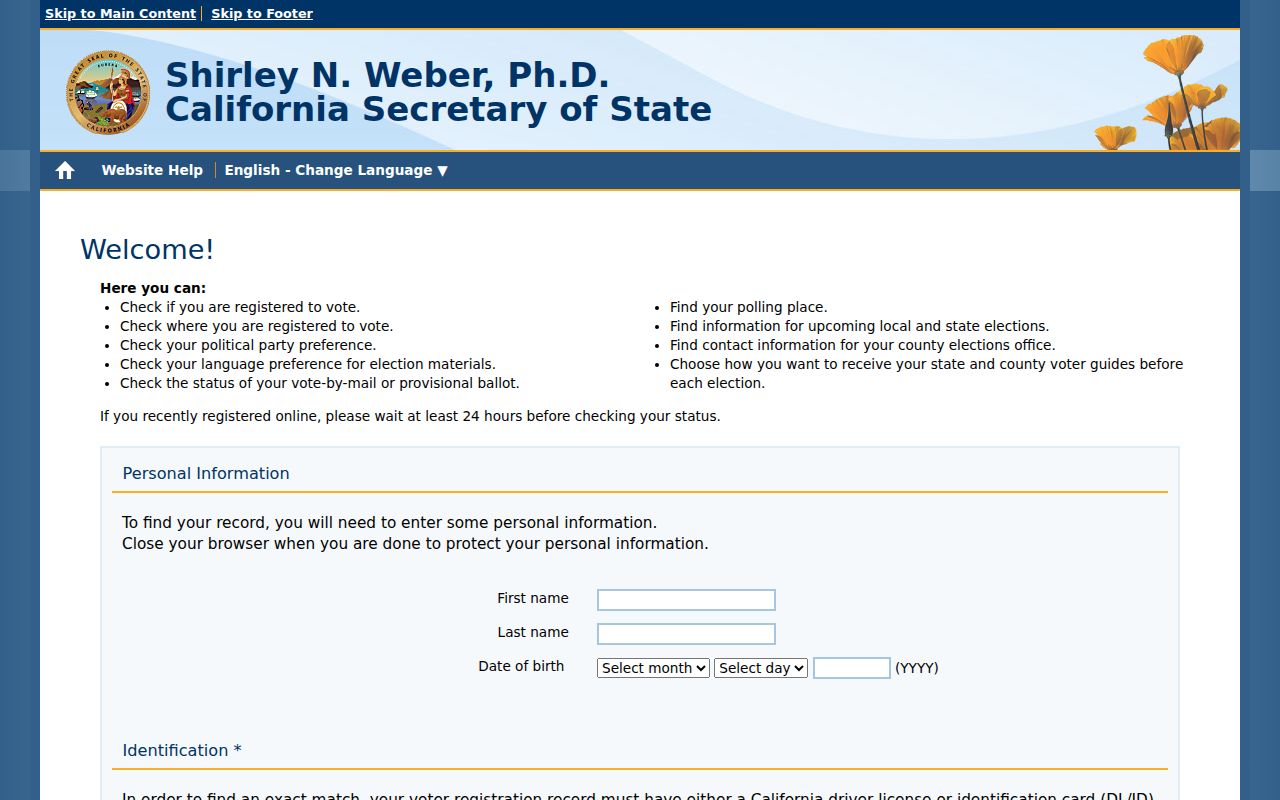
Voter Status Is Not a San Francisco Resident Roll
California runs its My Voter Status tool as a self-lookup, not a browse-able residents directory. Enter first name, last name, date of birth, plus, when available, a driver license or ID number and the last four digits of a Social Security number. A match can return registration status and address, party and language preference, polling place, election information, and vote-by-mail or provisional-ballot status. Nothing about the tool lets you scan an unnamed street in San Francisco.
The state keeps the voter file purpose-limited through Elections Code §§2188 and 2194 and Government Code §7924.000. A qualified file request must state the requester and beneficiary, scope, permitted purpose, and documentation, and it needs a signature under penalty of perjury, identification, and a fee. Requests for specific voters top out at ten named people, and only when full identifying details and a qualified purpose are supplied. Safe at Home and confidential voters stay excluded. For genealogy, historical registrations at SFPL and Ancestry Library Edition cover California 1900-1968, with San Francisco address searches from 1900-1940 that are especially useful.
San Francisco Court Names Need a Cross-Check
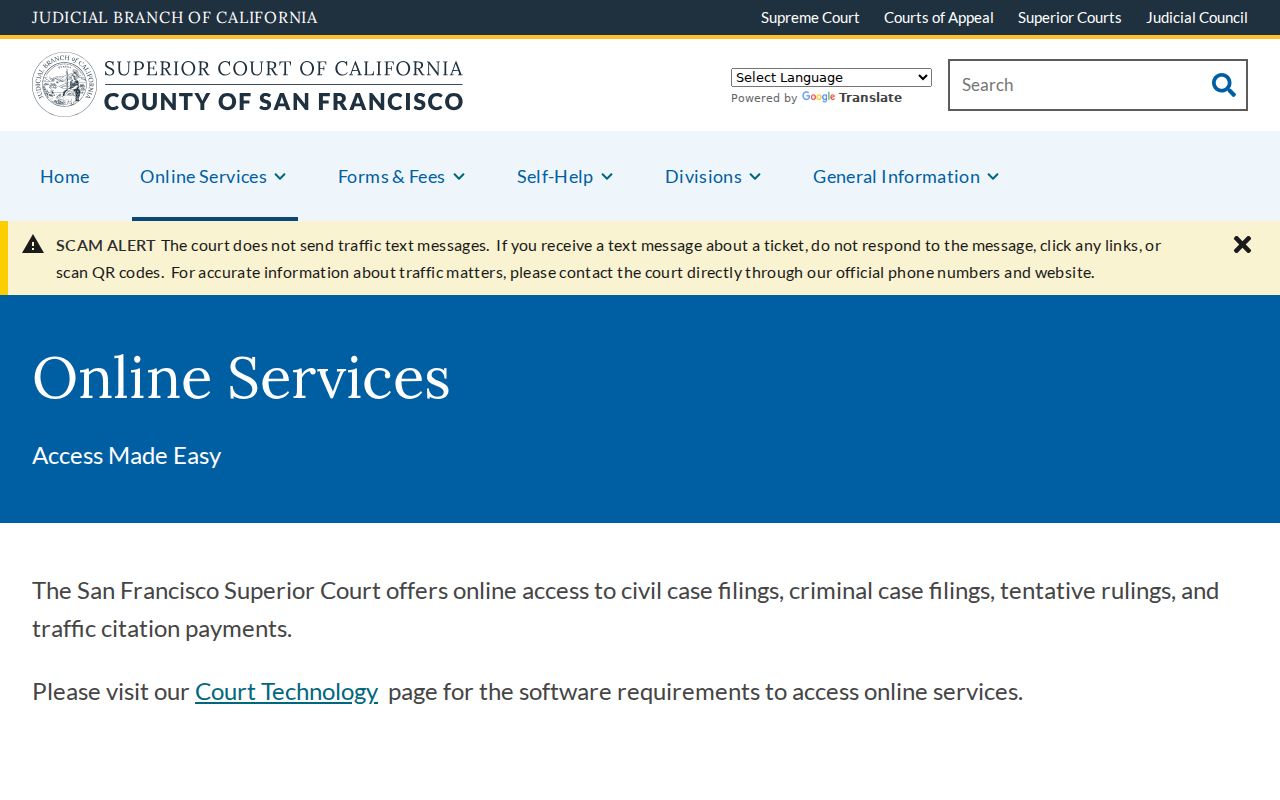
The San Francisco Superior Court name query reaches civil, family, probate, and small-claims cases. Coverage runs from 1987 forward. One text field does the work. Type a last name alone, a last name comma first name, or a company name. A hit can return the case number and caption, party names, case type, filing date, and status. It may also show register-of-actions event dates and descriptions, hearings, and eligible image links. Civil and small-claims images are the most open. Family results may show only a register entry with a case number. Restricted, confidential, sealed, juvenile, adoption, and some family records never appear online.
Grab the case number before ordering anything. Read the register of actions first. When an image is missing, ask the clerk for a specific docket item. Give the title and date. Certifying a paper record or proceeding costs $25, with retrieval and copy fees possibly added. Federal cases take a separate route through PACER and the Northern District of California. A name match in a court index proves nothing about identity. So weigh middle names, co-parties, dates, entity type, and APN or address clues before drawing conclusions.
The San Francisco Superior Court online-services page is the official starting point for local case access.
Vital Events Turn Names into Relationships
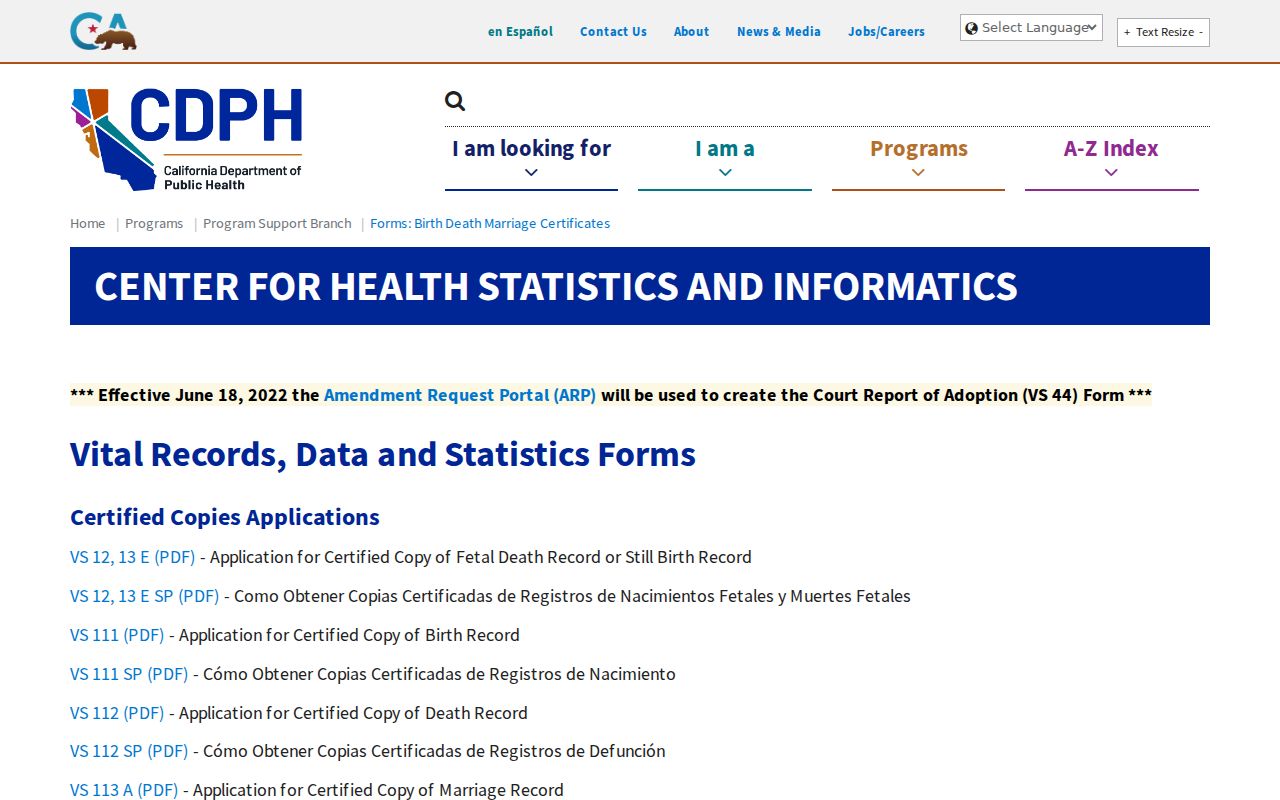
Vital records turn bare names into family relationships. Access depends on copy type and who is asking. The San Francisco Department of Public Health handles current and prior-year births and deaths. Older local events and marriages go through local recorder and clerk routes. CDPH holds statewide events from July 1905. The 2026 state fees run $31 for birth and $26 for death. A public marriage certificate costs $19. A divorce Certificate of Record costs $18. Confidential marriage records stay with the County Clerk and form no public index.
Health and Safety Code §103526 splits authorized certified copies from informational copies. An authorized application may demand relationship proof and a sworn declaration under penalty of perjury. Mailed authorized requests require notarization. An informational copy is stamped not valid for identity. CDPH mails by First Class Mail and runs no public counter or expedited service. It quotes roughly 4-6 weeks for certified copies. Amendments run about 7-9 weeks. If a Certificate of No Public Record issues, the search fee is kept. A divorce decree itself comes from Superior Court, not the statistical certificate CDPH sells.
San Francisco Names in Business and License Files
Business and license files can pin a name to a time and place. But they never amount to a resident roster. California bizfile searches by business name or file number. Keyword and advanced filters cover entity type, status, initial filing date, and begins-with matching. A detail page may list entity number, formation date, status, jurisdiction, and street and mailing addresses. It can also show agent for service, Statement of Information due date, and filings. FBN records from the County Clerk add a principal street address. They also include registrant or entity names, filing status, start date, signature or title, and publication facts.
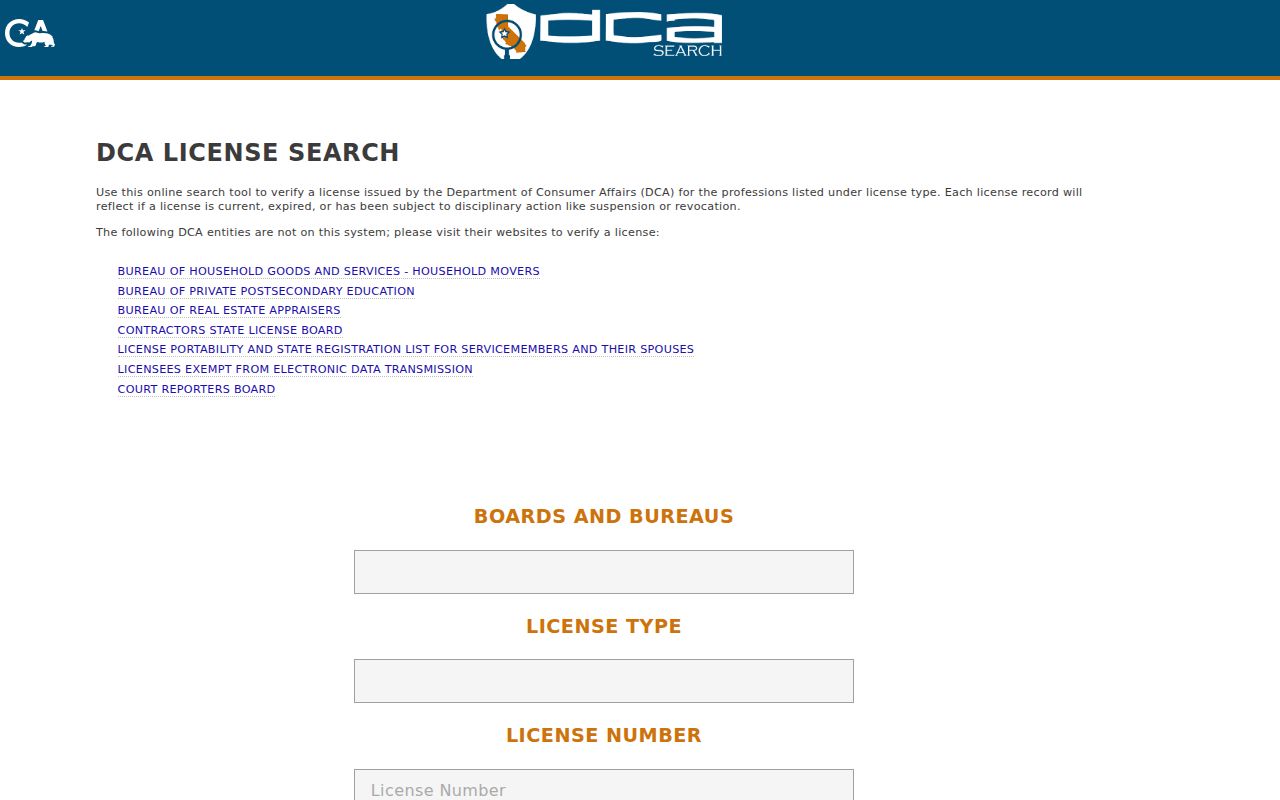
The California Department of Consumer Affairs License Search splits its fields into board or bureau, license type, and license number. Business name, first name, and last name get their own fields too. Advanced filters add registry number, city, county, and primary or secondary status. Discipline and public documents are covered as well. License, FBN, and business addresses show affiliation only. They do not prove the named person lives there. One more free tool: the State Controller's unclaimed-property search accepts a last or business name or property ID. City and ZIP serve as narrowing fields.
The California business search is the official place to inspect entity filings and filing PDFs.
San Francisco Historical Resident Directories
San Francisco's directory lineage runs deep. City directories reach from 1850 to 1982 in online form, with microfilm covering 1850-1960 and print holdings from 1875 to 1982. The Magazines and Newspapers Center keeps telephone books, newspapers, reverse directories, and microform scanners for public use. Up on the sixth floor, the San Francisco History Center doubles as the City and County archives. Reverse directories begin in 1953. For address-first work, the 1933 and 1936 street lists and the 1940 House and Street Directory fill the earlier gap. The full collection story lives in the San Francisco city directory archive.
An alphabetical entry can pack in a lot. Expect a surname, given name or initials, spouse, occupation, employer, and a residence marker with street and number. Later volumes may add a telephone or homeowner notation, or a widow's listing. Remember that a directory names principal adults or subscribers, not every soul in the house. Search the years on either side, read the abbreviation key, and weigh each entry against census, obituary, deed, or voter-roll evidence before you trust it.
San Francisco Custody Has Its Own Geography
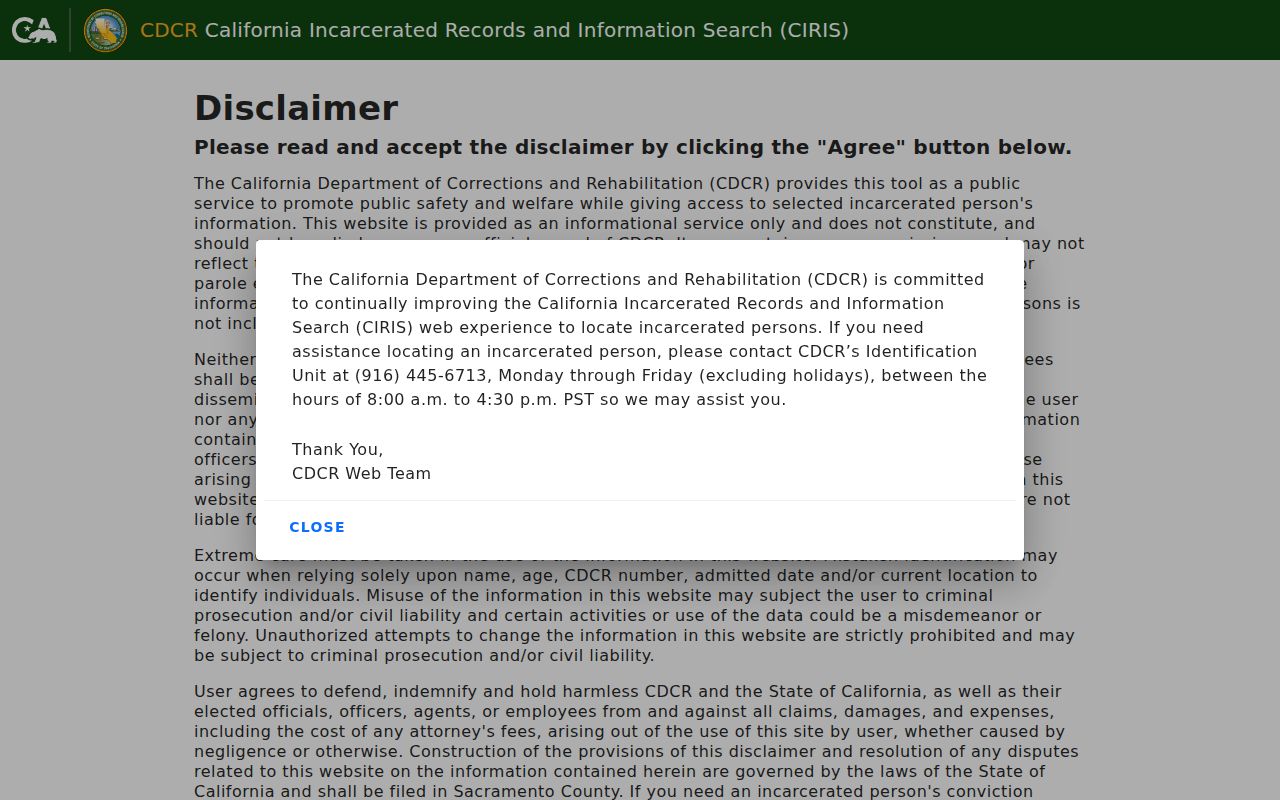
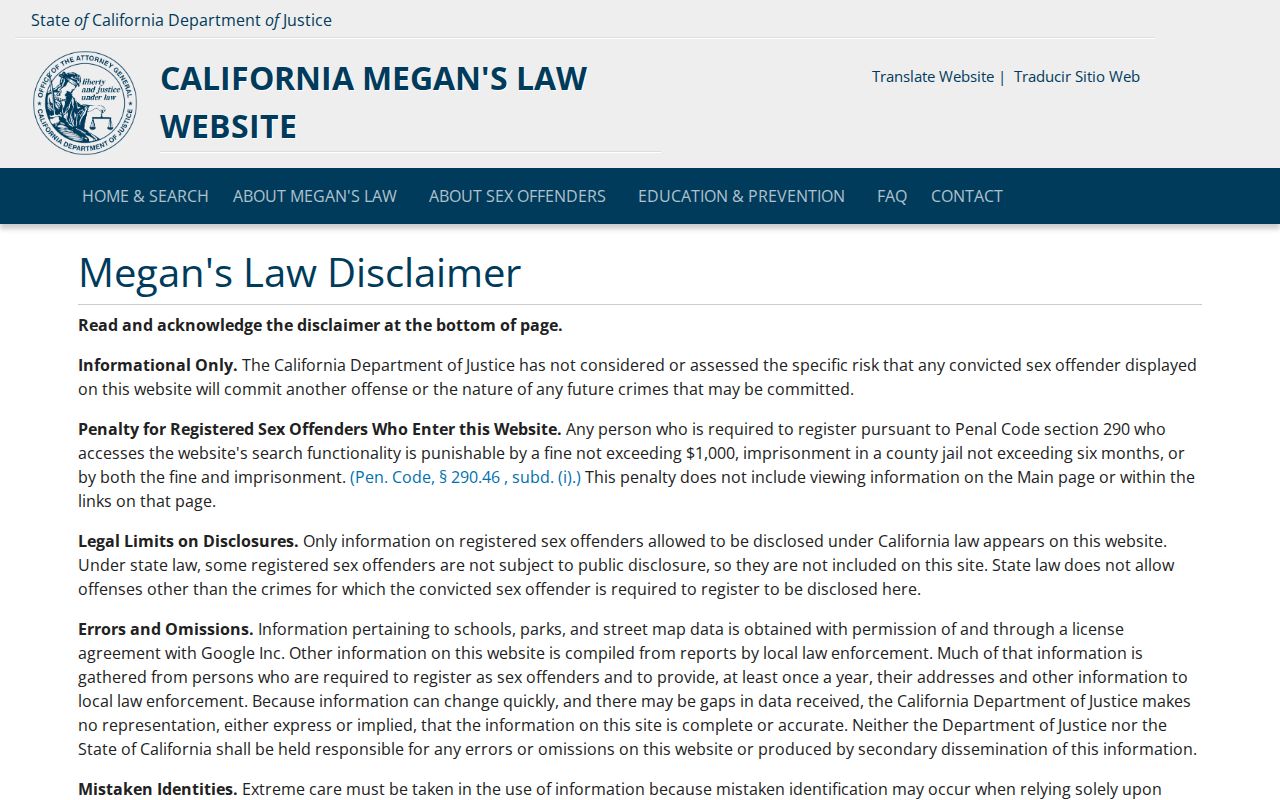
Custody records live in separate silos. Law-enforcement indexes stand apart from court files and vital records. The San Francisco Sheriff's jail locator tracks county custody only. California CIRIS covers people under CDCR jurisdiction. The Megan's Law site lists legally disclosable registrants under Penal Code §290.46. These are different facts, too. A jail hit, a state custody result, a registry entry, a court disposition, and a conviction each mean their own thing. Transfers, release, omission, mistaken identity, sealing, and redaction can all produce a negative result. That negative result proves nothing.
Go to the publishing agency for warnings and corrections. The Megan's Law site itself cautions against mistaken identity and misuse. SFPD report requests run through a Records Management form with privacy limits of their own. A lawful personal search stops at protected data. Never turn an official index into a tool for unwanted contact.
California’s CIRIS locator is the official state custody search for people under CDCR jurisdiction.
Official Rolls and Commercial Search Tools
Official sources cost time and sometimes money. Even so, they name the custodian. They define the coverage, and they fix the meaning of each field. Commercial people-finder services do something different. They can merge public and purchased data. They can hold stale addresses, or blend names that belong to separate people. Treat them as a lead at most. Never treat them as an authoritative San Francisco residents directory or a stand-in for the records office holding the source record.
| Question | Official source | Commercial category |
|---|---|---|
| Who is tied to a parcel? | PIM, assessment roll, and Recorder index | May merge old address data without the parcel key |
| Was a case filed? | San Francisco Superior Court or PACER | May omit sealed, family, or local coverage |
| What event is recorded? | SFDPH, Assessor-Recorder, County Clerk, or CDPH | Cannot issue a certified copy |
| What affiliation is current? | Bizfile, FBN, DCA, or Controller | May preserve a former address or status |
When the San Francisco Web Index Stops
California's Public Records Act, Government Code §7920.000 et seq., gives anyone the right to inspect or copy an existing record. Under §7922.535, an agency generally decides within 10 calendar days whether it holds disclosable responsive records. A written extension for unusual circumstances can add no more than 14 days. Inspection is generally free. Ordinary charges stay limited to direct duplication cost under §7922.530, unless another statute fixes a fee.
A focused request works best. Name the department, the record series, the date range, an address, APN, case number, document number, or another key that pinpoints an existing record. Agencies will not build a resident profile or do your research for you. Search prior requests through the citywide public-records portal first. Then turn to the relevant office, a City Hall terminal, the SFPL catalog, the Online Archive of California, FamilySearch, or NARA San Bruno. Whatever the outcome, record the custodian and coverage cutoff beside every negative search.
Lawful personal use. San Francisco records support genealogy, family reconnection, estate work, neighborhood history, and civic research. Do not use a name, address, voter record, or registry result to stalk, harass, intimidate, or harm another person.